
Painting over old lead paint can cost far more than a normal repaint, because the real cost comes from safe prep work, not the paint. Sanding, scraping, and cutting old paint turn it into toxic dust. Testing first and using lead-safe methods protects your family and keeps you legal.
The numbers show why this matters. The CDC says about 29 million U.S. homes have lead paint hazards, and about 2.6 million of them house young children. The CDC also says no safe level of lead exposure has been found for children. The EPA adds that about half of homes built before 1978 contain lead paint. For homes built between 1940 and 1960, that number rises to two out of three.
Many homes in Alamo Heights and King William fall right in that age range. Few blogs cover this local angle. This guide explains the risks, the rules, and the true budget in plain words.
Why Older San Antonio Neighborhoods Often Have Lead-Based Paint
Timeline of lead paint use before the 1978 federal ban
Lead was a common paint ingredient for decades. Paint makers liked it because it lasted long and covered well. Homes painted in the early and mid 1900s often got many coats of it.
Then the danger became clear. Lead dust harms the brain and body, and kids feel it most. In 1978, the U.S. banned lead-based paint for homes. Any house built before that year may still have it under newer layers.
Here is the simple rule:
- Built before 1978: assume lead paint is there.
- Built 1978 or later: lead paint is unlikely.
- Built between 1940 and 1960: the risk is highest.
Why historic homes in Alamo Heights and King William are commonly affected
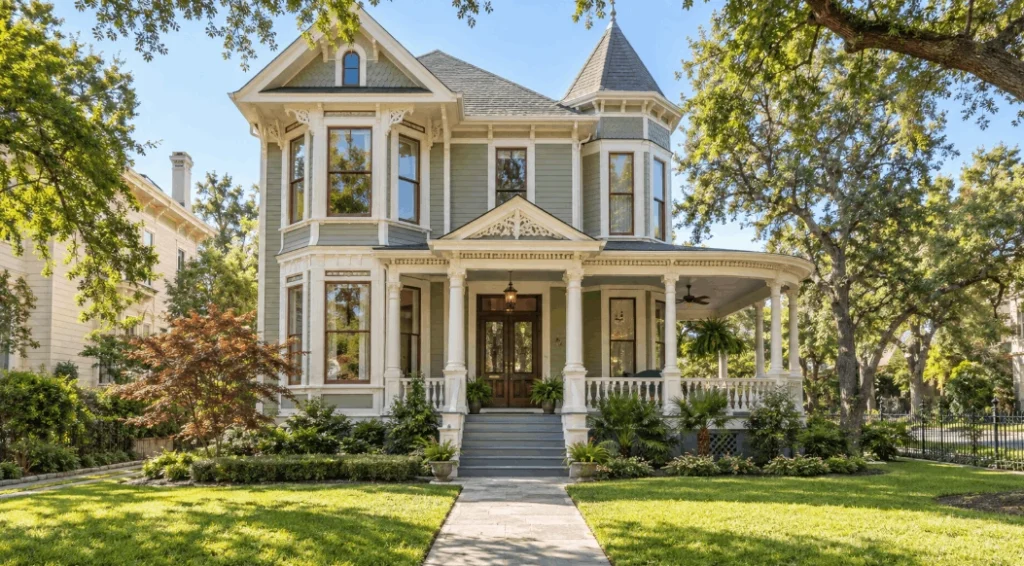
Alamo Heights and King William have some of the oldest homes in San Antonio. Many owners love their old trim, wood windows, porches, and tall ceilings. Those same parts often carry the most old paint.
Owners here tend to keep and repaint their homes, not tear them down. That means old paint layers stay in place for a long time. Every new repaint touches those layers again. So a home near the River Walk in King William or off Broadway in Alamo Heights may hide lead under a fresh-looking coat.
The Risks of Painting Over Lead-Based Paint Without Testing
Health risks from disturbed lead dust during prep work
Old paint that stays whole and smooth is much less risky. Prep work changes that. Sanding, scraping, and cutting can create fine dust that you cannot see.
The CDC warns that common renovation tasks like sanding and window work can create hazardous lead dust. Kids can swallow or breathe that dust. Even small amounts can hurt learning, focus, and growth. Pregnant women face risk too.
Lead dust settles on:
- Floors and carpets
- Window sills and wells
- Toys, hands, and pet fur
Most people feel no symptoms at first. That makes early testing even more important.
Legal and liability considerations for contractors and homeowners
The law is clear for contractors. The EPA says anyone paid to disturb paint in a pre-1978 home must be certified and follow lead-safe rules. A firm cannot even advertise this work without EPA certification. Texas follows the EPA program, so these federal rules apply here.
Homeowners have some room. The EPA says the rule generally does not cover you when you work on your own home. But it does apply if you rent out part of your home, run a child care center there, or flip houses for profit.
Skipping the rules can lead to:
- Fines for the contractor
- Lawsuits if a family member gets sick
- Trouble when you sell, since sellers must share known lead paint facts
If your home needs a repaint, talk to a team that handles interior painting services in San Antonio and ask about lead-safe steps first.
How Lead Testing and RRP-Compliant Prep Work Actually Works
EPA Renovation, Repair, and Painting (RRP) rule basics
The RRP rule protects families during repairs and repaints. Here are the basics:
- The painting firm must hold EPA certification.
- A certified renovator must lead each job.
- Workers must learn lead-safe methods.
- The firm must give you EPA’s lead safety pamphlet before work starts.
- The firm must keep job records for three years.
The rule also says something key about testing. Unless testing proves the surfaces are lead-free, the crew must assume lead paint is present. A certified renovator can use an EPA-recognized test kit or send paint chips to a lab. You can also hire a certified lead inspector for a full test.
What certified lead-safe practices look like on site
A lead-safe job looks very different from a normal paint job. The EPA lists these key steps on its work practices page:
- The crew seals off the work area so dust stays inside.
- The crew avoids open-flame burning.
- The crew uses power tools only with HEPA dust control.
- The crew cleans the area well and then checks that it is clean.
On a real job, expect plastic sheeting, taped doors, and HEPA vacuums. Crews wear protective gear and take it off before leaving the work zone. They often wet-scrape instead of dry-sand. You may also need to stay out of the work area until cleanup ends.
Budgeting for the True Cost of a Lead-Safe Repaint
Why lead-safe prep costs more than a standard repaint
Lead-safe work takes more time, tools, and training. Your quote may include:
- Lead testing
- Plastic barriers and floor protection
- HEPA vacuums and special tools
- Extra labor for slow, careful prep
- Cleanup checks and paperwork
- Trained and certified crew members
Prices vary by home size, paint condition, and how many surfaces need work. A big Alamo Heights home with wood windows and trim will cost more than a small bungalow with few problem spots. Get a written quote that lists the lead-safe steps.
Long-term value of doing it correctly the first time
Cheap shortcuts can cost more later. Dust left in your home can lead to health bills and cleanup costs. A messy job may also need a redo by certified pros.
Doing it right gives you:
- A safer home for kids, pets, and guests
- Proof of proper work when you sell
- A longer-lasting paint finish, since good prep helps paint stick
- Peace of mind in a home you plan to keep for years
Ready to plan a safe update? See how a lead-safe interior repaint for older homes can fit your budget and timeline.
Why Choose River City Painting
River City Painting is a San Antonio painting company that serves homeowners across the city and nearby areas. We know older homes well, from the historic streets of King William to the tree-lined blocks of Alamo Heights. These homes have special needs, and we plan each job with that in mind.
We care about clean, careful work. Before we paint an older home, we talk with you about the age of the house, the paint condition, and any lead concerns. We explain each step in plain words, so you know what to expect and what it costs. If you are unsure where to start, we can walk you through your options.
Our team paints interiors and exteriors and helps homeowners who want a fresh look without safety worries. We work with families near the Pearl, Brackenridge Park, and beyond. Call us at (210) 800-4324 to ask questions or book a visit.
Conclusion
Painting over old lead paint is not just a paint choice. It is a safety and budget choice. Test your pre-1978 home first, use certified lead-safe methods, and plan for the extra prep cost. That path protects your family and your investment for the long run.
FAQs
Treat any pre-1978 home as a lead risk, and have a certified inspector or renovator test it before work starts.
Yes, because lead-safe prep needs containment, special cleanup, and certified crews.
It is not a good idea, since poor removal spreads dust in your home, and the EPA urges strict lead-safe steps even for DIY work.
It requires EPA-certified firms to use lead-safe methods in pre-1978 homes, so always ask your painter for proof of certification.
Painting over smooth, intact paint with no sanding or scraping can be lower risk, but test first and ask a certified pro to check the prep.