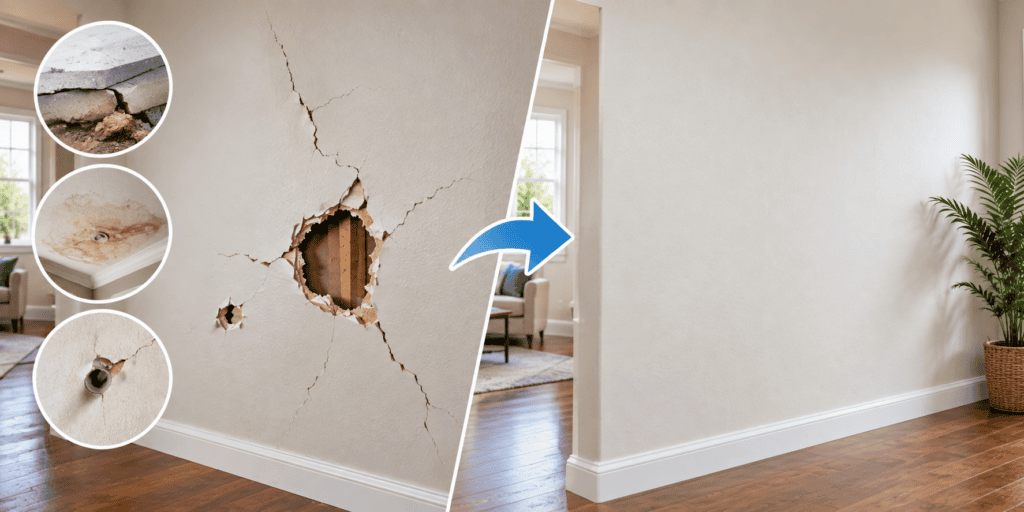
A wide shot of a bright, sunlit room mid-painting, with a canvas drop cloth neatly taped down over hardwood floors, a paint tray, and a roller in the foreground
San Antonio, Home Painting

How to Protect Floors While Painting Your House

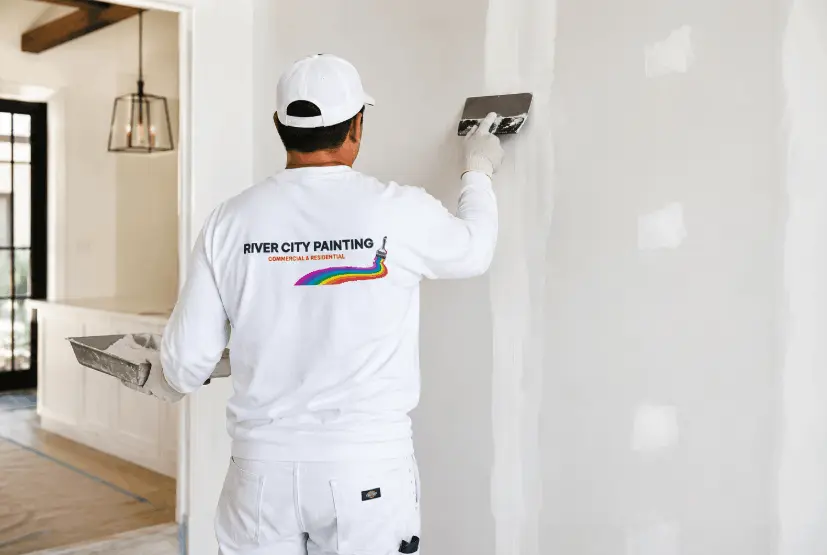
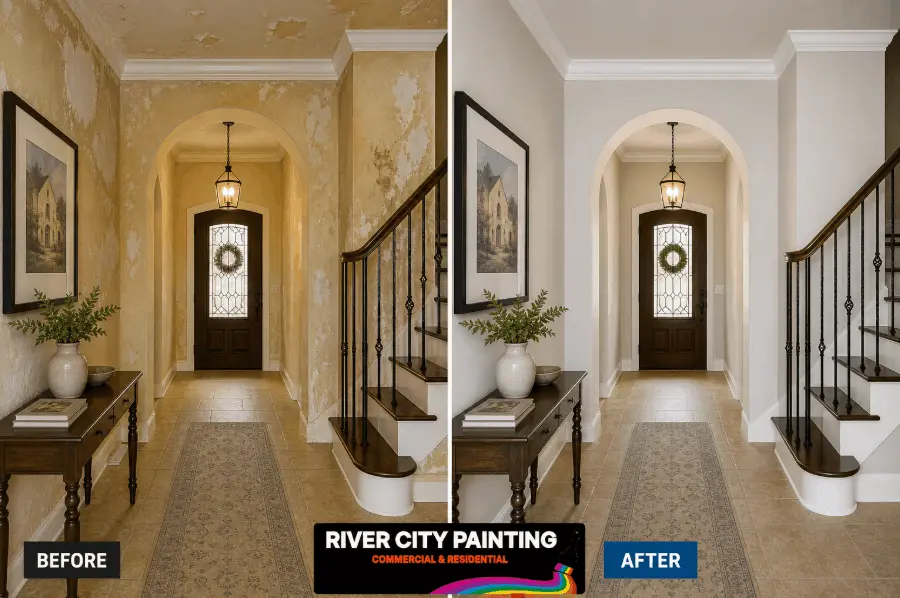
A recent home improvement survey found that floor damage is one of the top three complaints homeowners have after a DIY paint job. Paint spatter can stain wood, soak into carpet, and even seep into grout lines on tile. The good news is that protecting your floors takes just a few extra minutes and can save you hours of cleanup and costly repairs later. Whether you live near the River Walk, in Alamo Heights, or out by Stone Oak, this guide will show you exactly how to keep your floors safe while you paint. Why Floor Protection Matters Paint splatters are not just annoying. They can cause real damage. Wet paint can soak into unfinished wood and leave permanent stains Latex paint can trap moisture under carpet fibers and cause mold over time Dried paint drops on tile can be tough to scrape off without scratching the surface Foot traffic can grind dust and grit into wet paint spots, making stains worse Taking a few steps before you paint protects your floors and keeps your whole project looking clean and professional. Step 1: Clear the Room First Before you touch a paintbrush, clear the space. Move furniture out of the room if you can Push large pieces you cannot move to the center and cover them Remove rugs and floor mats completely Take out small items like lamps, toys, and decor A clear room gives you more space to work and less to protect. Step 2: Clean the Floor Before You Cover It This step gets skipped a lot, but it matters. Dust, dirt, and grit under a drop cloth can scratch your floor as you walk on it. Sweep or vacuum the entire floor first. If you have hardwood floors, this step is extra important since sand and dust can scuff the finish. Step 3: Choose the Right Floor Protection Not all floor coverings work the same way. Here is a simple breakdown. Best Drop Cloth for Painting Floors Canvas drop cloths are the top choice for most painting jobs. They are heavy, they do not slip around, and they soak up drips instead of letting paint pool and spread. Canvas also lays flat and stays put better than plastic, so it is safer to walk on. Plastic sheeting is cheaper and works well for short jobs, but it can get slippery and does not absorb spills. If paint pools on plastic, it can smear when you step on it. Rosin paper is another solid option, especially for hardwood floors. It is thick, affordable, and taped down easily along the edges. How to Protect Hardwood Floors When Painting Hardwood needs extra care since spills can soak into the wood grain and stain permanently. Lay rosin paper or canvas drop cloths across the entire floor Tape the edges down with painter’s tape, not regular tape, so it does not damage the finish Avoid plastic alone since it can be slippery on hardwood Wipe up any spills immediately, even through the covering How to Protect Carpet When Painting Carpet soaks up spills fast, so quick action matters. Use canvas drop cloths or thick plastic sheeting with a non-slip backing Tape the covering down along the baseboards so it does not shift Avoid thin plastic sheets that bunch up and create tripping hazards Keep a damp cloth nearby for instant spot cleaning Protecting Tile and Vinyl Floors Tile and vinyl are more resistant to stains but can still get scratched or scuffed. Use canvas or rosin paper to prevent slipping Watch for grout lines, which can trap wet paint if not covered well Wipe drips quickly since dried paint on tile is harder to remove Step 4: Tape the Edges the Right Way Loose drop cloths shift as you walk, which leaves gaps where paint can sneak through. Run painter’s tape along the baseboards to hold the covering in place Overlap sheets by a few inches so there are no open seams Check the tape halfway through your project since foot traffic can loosen it Step 5: Set Up a No Paint Zone Keep your paint cans, trays, and rollers in one spot instead of moving them around the room. Use a small table or bench with its own protective covering Keep your ladder on a covered section to avoid drips from the tray Place a designated spot near the door for wiping brushes and rollers Step 6: Clean Up Fast, Not Later The longer paint sits, the harder it is to remove. Wipe fresh drips right away with a damp cloth Keep a small bucket of water and rags within reach at all times For latex paint, warm water usually works. For oil-based paint, you may need mineral spirits If you are planning a full home refresh, our team also handles drywall repair before painting begins, so your walls are smooth and ready before any protective covering goes down. Common Mistakes to Avoid Using regular masking tape instead of painter’s tape, which can peel paint or leave residue Skipping the sweep or vacuum step before laying down coverings Leaving gaps between drop cloths where drips can slip through Waiting too long to clean up spills Using thin plastic on high traffic areas where it can tear or slide Choose River City Painting For a Mess Free Interior Painting We have been serving San Antonio homeowners for over 5 years, and we have earned more than 260 five star reviews on Google along the way. Our crews always show up prepared with professional grade drop cloths, floor coverings, and taping systems so your home stays protected from the first brushstroke to the final coat. We offer a full range of services to fit whatever your home needs, from interior painting and exterior painting to cabinet painting and door painting. If your outdoor spaces need attention too, we also handle fence and deck painting, deck staining, and power washing to get every surface looking its best. Whether you need residential painting for

Comprehensive Door Painting Services in San Antonio
Blog

How Often Should You Repaint Your Front Door in San Antonio, TX?

Your front door takes more sun, more slamming, and more Texas heat than almost any other surface on your home. In San Antonio, where summer temperatures often pass 100 degrees, that daily beating adds up fast. If your door looks tired, faded, or chalky, you are not alone. Local painters report that entry doors in full sun often need attention two to three years sooner than doors on the shaded side of a home. So how often should you really repaint your front door? Let’s break it down. Signs It’s Time to Repaint Your Front Door  The short answer: most San Antonio homeowners should repaint their front door every 2 to 4 years. The exact timeline depends on the door material, its color, and how much direct sun it gets. Wood Front Doors Wood doors need the most care. San Antonio’s heat and sudden humidity swings make wood expand and shrink. This can crack paint and let moisture in. Full sun exposure: repaint every 1 to 2 years Covered porch or shaded entry: repaint every 3 to 4 years Fiberglass Front Doors Fiberglass holds up better against heat and moisture. Most fiberglass doors only need repainting every 4 to 6 years, even in strong Texas sun. Metal or Steel Front Doors Metal doors resist warping, but they can rust if the paint wears thin. Plan to repaint every 5 to 7 years, or sooner if you spot rust spots or bubbling paint. What Affects How Fast Your Door’s Paint Wears Out Sun Direction Doors facing south or west catch the most afternoon sun. Homes near open areas with little shade, common in newer neighborhoods like Alamo Ranch, tend to see faster fading than homes tucked under mature oak trees near the River Walk or in older parts of the city. Paint Quality Cheaper paint breaks down fast in Texas heat. A high-quality, UV-resistant exterior paint protects your door for years longer than a budget option. Door Color Dark colors like black, navy, or deep red absorb more heat and fade faster than lighter shades. If you love a bold color, plan on repainting a bit sooner. Weather and Storms San Antonio’s mix of intense sun, sudden rain, and high humidity puts extra stress on exterior paint. According to the National Weather Service, the region sees hot, dry summers followed by an unpredictable storm season, which is tough on any painted surface. How to Make Your Front Door Paint Last Longer A few simple habits can stretch the life of your paint job: Clean your door every few months with mild soap and water Check the weather stripping and caulk around the frame each year Add a storm door or overhang if your entry sits in direct sun Touch up small chips right away before moisture gets in Choose a satin or semi-gloss finish, since these resist dirt and moisture better than flat paint Regular power washing around your entryway also helps remove built-up grime before it damages your paint. Ready for a door that turns heads instead of one that needs a touch-up? Book your free estimate and let our team bring your entry back to life. Why a Fresh Front Door Matters More Than You Think Your front door is the first thing guests and buyers notice. Real estate studies consistently show that curb appeal projects, including a repainted front entry, offer strong returns because they shape a first impression before anyone steps inside. A worn door can make an entire home look neglected, even if the rest of the property is in great shape. A fresh coat also protects the wood or fiberglass underneath from cracking, warping, and water damage, which can turn into a costly repair down the road. Why Choose River City Painting River City Painting has spent over 5 years helping San Antonio homeowners protect and beautify their homes, and we back that experience with more than 260 five-star reviews on Google. Our team specializes in door painting that holds up against Texas sun, humidity, and everyday wear. We use premium, UV-resistant paints and proper prep work so your color stays true for years, not months. Beyond front doors, we handle the full picture of your home. That includes exterior painting, interior painting, cabinet painting, fence and deck painting, deck staining, drywall repairing, and commercial painting for local businesses. Whether you own a cozy home or manage a rental property, our residential painting team treats every door and wall like it belongs to us. We proudly serve homeowners in Alamo Ranch, Alamo Heights, Boerne, and Blanco, along with many more communities across the San Antonio area. You can view our full service area to see if we cover your neighborhood. Want a front door that lasts through every San Antonio summer? Get your free estimate today and let River City Painting handle the rest. Conclusion Most San Antonio front doors need a fresh coat every 2 to 4 years, though sun exposure, material, and color all play a role. Watch for fading, peeling, or cracking, and address small issues early to avoid bigger repairs. A little regular care keeps your entryway looking its best for years to come. FAQs How often should I repaint a wood front door in San Antonio? Every 1 to 2 years if it gets direct sun, or 3 to 4 years if it is shaded. Does door color affect how often I need to repaint? Yes, darker colors fade faster and may need repainting sooner. Can I repaint my door myself? Yes, but proper prep and UV-resistant paint make a big difference in how long it lasts. What is the best finish for a front door in Texas heat? Satin or semi-gloss finishes resist dirt, moisture, and fading better than flat paint. How do I know if my door needs paint or full replacement? If the wood is cracked, soft, or warped beyond the surface, replacement may be needed instead of paint.

Driveway cleaning in suburban setting
San Antonio

Can Power Washing Remove Oil Stains from Concrete Driveways?

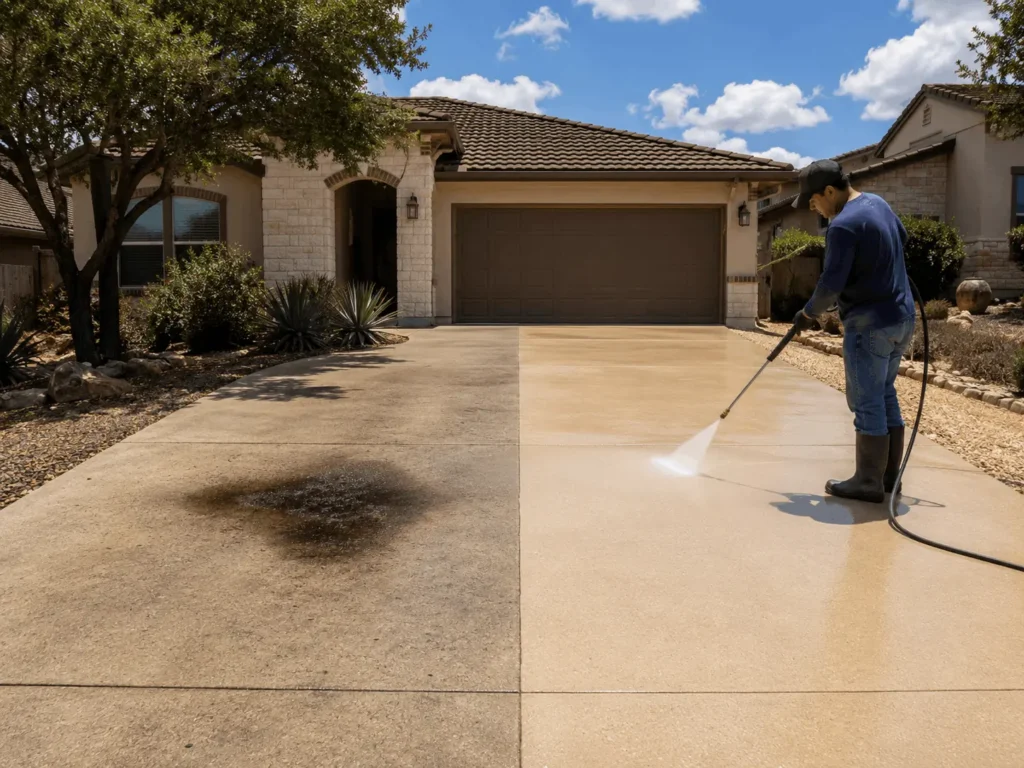
Have an oil stain on your driveway that just won’t go away? You’re not alone. Oil stains are one of the most common concrete cleaning challenges homeowners face, especially on driveways and garage floors. The good news is that professional power washing can often remove or greatly reduce these stubborn stains, helping restore your concrete’s clean, well-maintained appearance.  San Antonio’s hot summers make oil stains worse than they would be in a cooler climate. Heat opens up the pores in your concrete, so oil sinks in deeper and faster. The American Cement Association notes that concrete’s porous makeup is exactly why liquids like oil can soak in and stain the surface over time, which is why the right cleaning approach matters so much. Why Oil Stains Are So Stubborn on Concrete? Your driveway may look solid, but concrete is full of tiny holes. Think of it like a hard sponge. When oil drips on it, the oil does not just sit on top. It seeps down into those little holes and grips onto the minerals inside. This is why a garden hose never works. You need two things working together. High pressure breaks up the top layer of oil and grime A strong degreaser dissolves the oil trapped deep in the pores Skip the degreaser and you are just pushing water around. The stain stays put. Why Some Oil Stains Are Harder to Remove Than Others? Not every oil stain responds the same way. A few things change the outcome. Age of the Stain Fresh stains lift out fast. Oil that has been sitting for years soaks in deep and may only lighten instead of vanish completely. Type of Oil Motor oil, transmission fluid, and cooking grease all behave differently. Heavier oils need stronger degreasers and more scrubbing. Condition of Your Concrete Sealed concrete resists stains because the oil mostly stays on the surface. Bare, porous concrete lets oil travel straight down. San Antonio Heat Our summers push concrete surface temperatures well above the air temperature. Hot concrete has open pores, so oil spreads faster and deeper. Catching a fresh drip quickly makes a real difference here. Best PSI and Nozzle Tips for Concrete Driveways Using the wrong pressure can either leave the stain behind or damage your driveway. Here is a simple guide. Surface Recommended PSI Concrete driveways 2,500 to 3,000 PSI Garage floors (concrete) 2,000 to 3,000 PSI Pavers 1,500 to 2,500 PSI Sealed decorative concrete 1,500 to 2,000 PSI Nozzle tips matter too. 25 degree nozzle (green tip): Best all-around choice for concrete 15 degree nozzle (yellow tip): Stronger, use with care on stubborn spots 0 degree nozzle (red tip): Avoid this one. It can etch and damage your concrete How Professionals Remove Oil Stains from Concrete? 1. Absorb Fresh Spills First If the oil just spilled, grab kitty litter, baking soda, or sawdust. Cover the spot and let it soak up the surface oil for a few hours before sweeping it away. 2. Apply a Concrete Degreaser Pour a degreaser made for petroleum stains directly on the spot. Regular soap will not cut it for older stains. 3. Let It Sit Give the degreaser 10 to 20 minutes to break down the oil. Do not let it dry out on the surface. 4. Scrub With a Stiff Brush Work the degreaser into the concrete. This step helps the cleaner reach oil trapped deep in the pores. 5. Power Wash the Area Use a 25 degree nozzle at 2,500 to 3,000 PSI. Move in slow, overlapping passes starting from the outside edge and working toward the center. 6. Repeat If Needed Older, deeper stains often need a second round. Let the area dry, check your progress, and reapply degreaser if the stain is still visible. If your driveway has stains near the Pearl District or along the River Walk area homes, the same process works well since San Antonio’s concrete faces similar sun exposure citywide. If DIY methods are not delivering the results you want, professional help can make a big difference. At River City Painting, our power washing services regularly tackle stubborn oil stains using commercial-grade degreasers and professional equipment designed to clean deeper than most rental machines. This allows us to remove more buildup, improve the appearance of your concrete, and help restore your driveway, patio, or garage floor.  Common Mistakes to Avoid Skipping the degreaser and only using water Using a 0 degree red nozzle, which can etch your concrete Letting the cleaner dry before rinsing Standing too close to the surface with high pressure Ignoring where the runoff goes, since oil can reach storm drains Pressure washers are powerful tools, and the Consumer Product Safety Commission recommends wearing eye protection and keeping a safe distance from the nozzle to avoid injury while cleaning. What to Do After the Stain Is Gone? Once your driveway is clean, consider sealing it. A concrete sealer acts like a shield. Future spills sit on top of the surface instead of soaking in, which makes cleanup much easier down the road. Sealing is not permanent. Most sealers need to be reapplied every few years, but it is one of the easiest ways to protect your investment. If you ever need to dispose of old cleaning chemicals or degreaser containers, the Environmental Protection Agency offers guidance on handling household chemicals safely. Why Choose River City Painting River City Painting has spent 5+ years helping San Antonio homeowners keep their properties looking sharp, backed by 260+ 5-star reviews on Google. Our team treats every driveway, patio, and walkway with the same care we bring to every paint job, because a clean surface is the first step toward a great looking home. Beyond power washing, we handle the full range of home improvement work. That includes interior painting, exterior painting, cabinet painting, fence and deck painting, door painting, drywall repair, and deck staining. Whether your home needs a full refresh or just a clean driveway, our crew shows up ready

Suburban home with Mediterranean charm
San Antonio

Can You Power Wash a Stucco Home in San Antonio?

Stucco is one of the most popular exterior finishes on homes throughout San Antonio, from Alamo Heights to Stone Oak. It looks great. It holds up well in Texas heat. But it has one weak spot: high pressure water. A stucco wall is not like a brick wall or a concrete driveway. It has a thin, textured coat over a softer base layer. Using incorrect pressure washer settings can damage stucco by causing cracks, removing paint, or forcing water behind the surface, where hidden moisture problems can develop. The real danger is what happens beneath the surface. Water that gets trapped behind stucco can remain hidden for months, creating the perfect conditions for mold growth, wood rot, and structural deterioration. By the time visible signs appear, the damage may already be extensive and expensive to repair. So, is power washing safe for stucco? Not usually. A safer alternative is soft washing, which effectively cleans stucco without the risk of cracks, paint damage, or moisture intrusion. Here’s what San Antonio homeowners should know before hiring a stucco cleaning company. Why Stucco Reacts Differently Than Other Surfaces Stucco is made from cement, sand, and lime. It goes on in layers over a wire mesh base. This makes it strong against Texas sun and heat, but it is not built to take a direct hit from a high pressure water jet. Here is what can go wrong when stucco meets standard power washing: Cracks and chips. High pressure water breaks down the surface layer over time, especially at seams and corners. Water intrusion. Water can force its way behind the stucco through hairline cracks, old caulking, or window trim. Faded or stripped paint. Painted stucco can lose its topcoat fast under strong pressure, leaving patchy, dull walls. Mold growth you can’t see. Trapped moisture behind the wall feeds mold and mildew long after the surface looks dry. Most stucco damage is not caused by a single major mistake. Instead, it occurs when water finds its way into the wall system through small gaps around windows, doors, and rooflines and then becomes trapped with no way to escape. This type of moisture intrusion is one of the leading causes of stucco deterioration, whether the water enters through the roof, around openings, or from ground moisture rising upward. A trained professional knows how to avoid these vulnerable areas. A rented pressure washer does not. Soft Washing vs Power Washing Stucco: What’s the Difference? When it comes to cleaning stucco homes, this is the most important question homeowners need to ask. Choosing the right cleaning method can mean the difference between a clean, long-lasting exterior and costly damage caused by excessive water pressure. Power Washing Power washing uses very high water pressure, often over 3,000 PSI, to blast dirt off a surface. It works well on concrete, brick, and driveways. On stucco, that same pressure can chip the finish or drive water into the wall. Soft Washing Soft washing uses low pressure water combined with a gentle, EPA-registered cleaning solution. Instead of blasting dirt off, it breaks down algae, mold, and grime at the surface so it rinses away easily. This is the method most professionals use on stucco, painted siding, and roofs. Method Pressure Used Safe for Stucco? Power washing High (2,000+ PSI) Risky without training Soft washing Low, with cleaning solution Yes, when done correctly If a company arrives and uses the same high-pressure cleaning method for every surface, consider it a red flag. A professional cleaning service adjusts its approach to suit your stucco, ensuring a safe and effective clean rather than forcing a one-size-fits-all solution. How to Clean Stucco Exterior Safely If you want your stucco cleaned the right way, here is what a safe process looks like: Inspect the walls first. A good crew checks for existing cracks, loose stucco, or damaged caulking before any water touches the wall. Use low pressure settings. Anything under 500 to 800 PSI is generally considered safe for painted or textured stucco. Apply a soft wash solution. This lifts algae, mildew, and dirt without forcing water into the wall. Rinse from a safe distance. Keeping the nozzle several feet back and using a wide fan spray protects the surface. Seal any gaps before washing. Loose trim, cracked caulking, or open weep holes should be flagged and protected first. Let it dry fully. Stucco needs time to dry out completely between cleanings to avoid trapping moisture. Skipping any of these steps is how DIY stucco cleaning turns into an expensive repair bill. If you are searching for a company that offers professional power washing in San Antonio, ask directly whether they soft wash stucco or treat every surface the same way. Thinking about tackling it yourself this weekend? Get a free estimate first and compare the cost of a rental machine against a professional job. Most homeowners are surprised by how close the price really is. Signs Your Stucco Home Needs Cleaning You do not need to wait for stucco to look bad to consider a wash. Watch for: Dark streaks running down from the roofline Green or black patches, especially on shaded, north-facing walls A chalky, dull finish where the color used to look bright Pollen or dust buildup after Hill Country storms roll through San Antonio’s mix of heat, humidity, and limestone dust means stucco homes tend to collect grime faster than homes in drier climates. Regular cleaning, done the right way, keeps small buildup from turning into stains that are hard to remove. Why Choose River City Painting? River City Painting has spent over 5 years helping San Antonio homeowners keep their exteriors clean, protected, and looking their best. With more than 260 five-star reviews on Google, homeowners across the area trust our crews to know the difference between a surface that can handle full pressure and one, like stucco, that needs a gentler touch. We offer full power washing service, with a special focus on safe stucco house washing in San

power washing home exterior in san antonio
San Antonio

How to Remove Mold and Mildew from Exterior Walls in San Antonio?

Mold and mildew on exterior walls are a common problem for homeowners in San Antonio, where heat, humidity, and seasonal rain create the perfect conditions for growth. What may start as a few dark spots on your siding, stucco, or brick can quickly spread, affecting your home’s appearance and potentially causing long-term surface damage.  The good news is that mold and mildew can often be removed with the right cleaning methods and preventative maintenance. In this guide, we’ll explain how to safely remove mold from exterior walls, what causes it to grow, and how to keep it from returning. Why Mold and Mildew Grow So Easily on Homes in San Antonio? San Antonio sits in a humid subtropical zone. Mornings often start near 80% humidity, and summer highs regularly push past 95 degrees. That combination of heat, moisture, and shade is exactly what mold, mildew, and green algae need to grow. Homes near the San Antonio River or shaded lots close to Brackenridge Park tend to see growth faster because the air stays damper longer under tree cover. North-facing walls and areas behind bushes are the most common trouble spots because they dry out slower after rain. Signs You Have Mold or Mildew on Your Exterior Walls Before you grab a hose, confirm what you are dealing with. Look for these signs: Black, green, or gray-green splotches on siding, brick, or stucco A musty smell near exterior walls, especially after rain Streaky, slimy patches on north-facing or shaded walls Spots that spread wider every few weeks If you see any of these, the growth needs to come off soon. Left alone, it eats into paint and siding material over time. Difference Between Mold, Mildew, and Algae These three often get lumped together, but they behave a little differently: Mold is usually black, blue-green, or gray and can look fuzzy or slimy. Mildew is a type of mold that shows up as a flat, powdery gray or white coating. Algae looks green or gray-green and gives walls a streaky, slick appearance, especially on the shaded side of a house. The cleaning approach below works for all three. How to Remove Mold From Exterior Walls? Follow these steps for a safe, effective clean on brick, stucco, or fiber cement siding. Step 1: Gather Your Supplies You will need rubber gloves, safety goggles, a stiff outdoor brush, a garden hose, and a cleaning solution. Skip the ladder and work on tall walls. That job is safer left to a pro with the right equipment. Step 2: Mix a Safe Cleaning Solution Mix one cup of oxygen bleach or household bleach into one gallon of water. Never mix bleach with ammonia or other cleaners, since this creates dangerous fumes. Test the solution on a small hidden spot first. Step 3: Apply, Scrub, and Rinse Spray or brush the solution onto the moldy area and let it sit for 10 to 15 minutes. Scrub gently with the brush, working in small sections. Rinse thoroughly with clean water from the top down. Step 4: Protect Plants and Pets Wet down nearby plants before you start and rinse them again after. Bleach solutions can harm grass and flower beds if they run off without dilution. How to Remove Mildew From House Siding Different siding materials need slightly different care: Vinyl siding: A soft brush and the bleach solution above work well. Avoid abrasive scrubbers that scratch the surface. Stucco: Stucco is porous and absorbs moisture, so mildew can run deeper than it looks. A longer soak time with a gentle brush usually does the trick. Brick: Brick and mortar can trap mildew in tiny pores. A stiffer brush and a slightly longer contact time help lift it out. If mildew keeps returning on the same wall, no matter how often you clean it, that is usually a sign of a bigger moisture or shade problem that scrubbing alone will not fix. Power Washing Mold Off Your House: What to Know? Scrubbing by hand works for small spots, but a full wall covered in mold or algae calls for more power. A professional power washing service uses controlled water pressure to strip mold, algae, and grime off siding, stucco, and brick without damaging the surface underneath. DIY pressure washers sold at hardware stores can actually cause damage if the pressure is set too high or held too close to the wall. Too much pressure can crack stucco, strip paint, or force water behind siding, which leads to a whole new moisture problem. That is the main reason homeowners in San Antonio often bring in a trained crew instead of renting equipment for a one-time job. Ready to get your walls looking new again? Get a free power washing estimate and skip the guesswork. How Often Should You Clean San Antonio Exterior Walls? Because of the local humidity, most San Antonio homes benefit from an exterior wash once a year. Homes in shaded areas, near Alamo Heights tree cover, or close to sprinkler overspray may need it every 6 to 9 months. Check out this guide on how often to power wash your home for a schedule based on your specific property. Preventing Mold and Algae From Coming Back A clean wall will not stay clean forever without a few habits in place. Trim bushes and trees so walls get more sun and air movement Clean gutters twice a year so water does not run down siding Point sprinklers away from the house Repaint with mold-resistant exterior paint after a deep clean A fresh, well-maintained exterior also holds up better against San Antonio’s heat and storms. You can read more about the benefits of power washing if you want to see the full list of reasons regular cleaning pays off. Even homeowners out in the Boerne Hill Country deal with the same seasonal buildup, so this routine applies well beyond the city limits too. If your walls have not been cleaned in over a year, now is a

Power washing a suburban home exterior
San Antonio

Should You Pressure Wash Before Painting Your House? A San Antonio Homeowner’s Guide

Your home in San Antonio deals with intense weather every year. NOAA / National Weather Service climate normals show San Antonio gets about 122 days a year at or above 90°F, along with more than 32 inches of annual precipitation. That mix of heat, humidity, storms, dust, mildew, and sun exposure can leave dirt and chalky paint film on siding, stucco, brick, and trim. That buildup matters before painting. Sherwin-Williams notes that up to 80% of coating failures can be linked to poor surface preparation, which means paint may peel early if it goes over grime instead of a clean surface. So yes, you should pressure wash before painting your house in San Antonio, but the real question is how to do it the right way. Why Pressure Washing Is Essential Before Painting Your Home Paint needs a clean surface to stick. Dirt, pollen, spider webs, and mildew act like a barrier between your siding and the new paint. Even a light layer of dust can stop paint from bonding well. A proper wash removes: Dirt and pollen buildup Mold and mildew are common in humid San Antonio summers Chalky, old paint residue Cobwebs and bug debris around eaves and window trim Skip this step, and your new paint may bubble, peel, or fade years before it should. How Long to Wait After Pressure Washing Before You Paint This is the part homeowners get wrong most often. Painting too soon traps moisture under the new coat. Wood siding and trim: Wait 48 to 72 hours. Wood soaks up water and needs the longest dry time. Vinyl siding: Wait at least 24 hours. Vinyl does not soak up water, but it still needs to fully air dry. Stucco: Wait a full 48 hours or more. Stucco is common in San Antonio and holds water deep in its texture. Brick and masonry: Wait 24 to 48 hours, depending on humidity. In San Antonio’s summer heat, surfaces often dry faster on sunny days. In humid or overcast weather, add extra time. Quick Way to Check If Your Siding Is Dry Tape a small piece of clear plastic wrap over a section of the wall. Leave it for a few hours. If you see water droplets under the plastic, the surface is still wet. Wait longer before you paint. Pressure Washing vs Soft Washing: Which One Do You Need Not every surface should get the same treatment. Soft washing uses low pressure with a gentle cleaning solution. It is the safer choice for painted wood, vinyl, and stucco. Pressure washing uses higher force. It works well on brick, concrete, and other tough surfaces that can handle it. Using too much pressure on soft siding can strip paint, force water behind the boards, or crack old caulking. This is why hiring a trained team for power washing services in San Antonio, TX matters. The right pressure and technique protect your home instead of damaging it. Thinking about a fresh coat this season? Get a free estimate and we will tell you exactly what your home needs before painting. How to Prepare a House for Exterior Painting A clean wash is only step one. Full prep for a lasting paint job includes: Wash the exterior to remove dirt, mildew, and chalk. Let it dry fully based on your siding type. Scrape and sand any loose or peeling paint. Repair damaged wood or drywall before priming. Caulk gaps around windows, doors, and trim. Prime bare spots so paint has an even base. If your walls need repair work first, our team also handles drywall repairing for homes, so your surface is smooth and ready before any paint goes on. Common Mistakes Homeowners Make Painting the same day as the wash Using a rented pressure washer at too high a setting Ignoring shaded, damp areas that dry more slowly Skipping the wash completely to save time Forgetting to check the weather forecast before painting Each of these mistakes can shorten the life of your paint job by years. Why Hire a Professional Instead of Doing It Yourself A rented pressure washer feels like an easy fix. But high pressure in the wrong hands can crack siding, break window seals, or push water into your walls. A professional team knows the right pressure, angle, and cleaning solution for every surface, from wood fences to stucco walls. Why Choose River City Painting River City Painting has served San Antonio homeowners for over 5 years, earning more than 260 five-star reviews on Google along the way. We handle every step of your project, from exterior painting and interior painting to cabinet painting, fence and deck painting, and deck staining. Our team also takes care of the prep work that most homeowners skip, including thorough house washing, door painting, and drywall fixes, so your new coat goes on clean and smooth. We work with both homeowners and businesses, offering commercial painters and residential painting services built around your schedule. We proudly serve families across the greater San Antonio area, including Alamo Ranch, Alamo Heights, Boerne, and Blanco. Check our full list of service areas to see if we cover your neighborhood. Ready to see the difference proper prep makes? Request your free estimate today and let our team walk you through the process. Conclusion Pressure washing before painting is not a skip if you want to step. It is the foundation of a paint job that lasts. Clean the surface, give it time to dry, fix any damage, and then paint. That order keeps your new color looking sharp for years instead of months. FAQs Should you pressure wash before painting your house in San Antonio? Yes, always wash first so paint can bond to a clean surface. How long after pressure washing can you paint? Wait 24 to 72 hours, depending on your siding material and the weather. Can pressure washing damage my siding? Yes, if the pressure is too high, soft washing is safer for painted wood and vinyl.

Split view of soft washing stucco wall and power washing driveway
San Antonio

Soft Washing vs Power Washing: What’s the Difference?

Your home’s outside wall is covered in dirt. You grab a hose. It does nothing. So what do you do next? Most San Antonio homeowners reach for the wrong tool at this point. A 2023 survey by the Power Washers of North America found that many DIY cleaning jobs cause more damage than they fix, mostly because the wrong pressure was used on the wrong surface. That one mistake can crack stucco, strip paint, or push water behind your siding. This guide breaks down soft washing vs power washing in plain words, so you know exactly which one your home needs. Soft Washing vs Power Washing: The Key Differences Soft washing and power washing both clean the outside of your home. But they do it in very different ways. Feature Soft Washing Power Washing Water Pressure Low (under 500 PSI) High (1,500 to 4,000+ PSI) Water Temperature Room temperature Heated water Best For Siding, stucco, roofs, painted surfaces Driveways, concrete, brick, walkways Uses Cleaning Solution Yes Rarely Risk of Damage Very low Higher on soft surfaces The short answer: soft washing is gentle and uses a cleaning solution. Power washing is strong and uses hot, high-pressure water. Each one has a job it does best. When to Use Soft Washing Soft washing is the safe choice for surfaces that can get damaged by strong pressure. Use soft washing on: Painted siding and trim Stucco walls (very common on San Antonio homes) Wood fences and decks Roof shingles Vinyl siding Window screens and porch enclosures Stucco and painted exterior walls are everywhere in neighborhoods like Alamo Heights and Stone Oak. High pressure on these surfaces can crack the finish or blast off paint. Soft washing uses low pressure plus a cleaning solution that kills mold, algae, and mildew at the root, so it does not just look clean. It stays clean longer too. If you’re planning to repaint your home soon, soft washing is also the right first step. Our exterior painting team always recommends a proper wash before any paint job, since paint sticks better to a clean, dry surface. When to Use Power Washing Power washing is the stronger method for tough, hard surfaces that can take the heat and pressure. Use power washing on: Concrete driveways Brick patios and walkways Garage floors Stone walls Outdoor stairs These surfaces do not scratch or crack easily, so the extra pressure works in your favor. It blasts away oil stains, tire marks, gum, and years of built-up grime that soft washing alone cannot lift. San Antonio’s heat and dust make driveways and patios collect grime fast, especially during the dry summer months. Ready for a cleaner home? Get a free estimate and we will tell you exactly which method your property needs. Which Is Better: Soft Washing or Power Washing? Neither one is “better.” They just do different jobs. Think of it like using a soft cloth on your car’s paint but a stiff brush on your tires. You would not swap them. A good rule to remember: Soft surfaces (siding, stucco, roof, wood) → soft washing Hard surfaces (concrete, brick, stone) → power washing Most San Antonio homes actually need both. Your siding needs a gentle soft wash, while your driveway needs a strong power wash. A professional power washing service will know how to switch between both methods safely on the same visit. Why Guessing Wrong Can Cost You Using power washing on soft siding can: Force water behind your siding, leading to mold and rot Strip paint and force an early repaint Crack stucco or leave permanent marks Void certain siding warranties Using soft washing on tough concrete stains just will not get the job done, so you end up paying twice. This is why homeowners across Boerne, Helotes, and Schertz call in a trained crew instead of renting equipment from a hardware store. To learn more, check out our guide on how often should you power wash your home and why San Antonio homes need power washing. Signs Your Home Needs a Wash Dark streaks on your roof or siding Green or black spots on stucco A driveway that looks gray instead of its original color Peeling paint near ground level A musty smell near your exterior walls If you notice any of these, it is time to call a pro. Our benefits of power washing blog explains exactly what a proper wash does for your home’s health and value. Why Choose River City Painting River City Painting has spent over 5 years helping San Antonio homeowners keep their properties clean, protected, and looking their best. With 250+ 5-star reviews on Google, our team has the trust of families across the Hill Country, San Antonio, and everywhere in between. We offer both soft washing and power washing, so you never have to guess which method your home needs. Our crew inspects your siding, stucco, roof, driveway, and walkways, then uses the right pressure and tools for each surface. Beyond washing, we also handle interior painting, exterior painting, cabinet painting, fence and deck painting, door painting, drywall repair, and deck staining, so your home stays protected inside and out. We proudly serve homeowners in Alamo Ranch, Boerne, Stone Oak, Helotes, Schertz, and dozens of other communities across the region. See our full list of service areas to check if we cover your neighborhood. Whether you need a one-time clean before selling your home or a regular wash to protect your investment, our team is ready to help. Get your home looking fresh again. Request your free estimate today and speak with our team at +1 210-800-4324. Conclusion Soft washing and power washing both clean your home, just in different ways. Soft surfaces need gentle care. Hard surfaces need strong pressure. Knowing the difference protects your home and your wallet.   FAQs Is soft washing as effective as power washing? Soft washing removes algae, mold, and mildew just as well as power washing, but it works better on

Driveway makeover transformation comparison
Blog

Can Power Washing Help Improve Your Home’s Curb Appeal?

Your home’s exterior speaks before you do. Whether a neighbor walks by near the San Antonio River Walk area or a buyer pulls up to your driveway, the first thing they notice is how your home looks from the street. Dirty siding, stained concrete, and mold-covered fences send the wrong message instantly. Here is the good news: you do not need a renovation to fix it. A professional power washing service can transform your home’s exterior in a single afternoon. According to the National Association of Realtors (NAR), 98% of real estate agents believe curb appeal is important for attracting buyers, and home and window washing alone can add an average of $10,000 to a listing’s value. What Power Washing Actually Does to Your Home’s Exterior Power washing is not just spraying water at your walls. It uses high-pressure hot or cold water to break down and remove years of buildup from surfaces that regular garden hoses cannot touch. In San Antonio’s climate, homes face intense summer heat, high humidity, and seasonal storms. These conditions create the perfect breeding ground for mold, mildew, algae, and dirt buildup on: Driveways and sidewalks Siding and brick walls Fences and decks Roofs and gutters Patios and pool surrounds Over time, this buildup makes surfaces look dull, aged, and neglected. Power washing strips that buildup away and reveal the clean surface underneath, often making a home look years younger without any repainting or repairs. How Power Washing Boosts Curb Appeal (With Real Numbers) Curb appeal is not just about looks. It has a direct connection to how much your home is worth. Research from the Journal of Real Estate Finance and Economics found that curb appeal can account for up to 7% of a home’s sale value. For a $350,000 home in a neighborhood like Stone Oak or Alamo Ranch, that is $24,500. Power washing is one of the most cost-effective ways to build that value. Driveway washing alone typically costs between $150 and $300, while a full exterior wash runs $200 to $600. Compare that to a paint job, which can run $12,000 or more, and the ROI on a power wash becomes very clear. Here is what a clean exterior signals to buyers and visitors: The homeowner maintains the property regularly There are no hidden moisture or mold issues The home is move-in ready or close to it The asking price feels justified Every one of these impressions starts before anyone steps through the door. Surfaces Power Washing Can Clean at Your San Antonio Home Not every surface needs the same pressure. A professional power washing team adjusts the pressure settings based on the material. Here is a breakdown: Driveways and Walkways Concrete absorbs oil, tire marks, and organic stains over time. A power wash removes dark streaks and restores the original color of the surface. This is often the most visible transformation. Siding and Brick San Antonio’s humidity causes mold and mildew to grow on siding faster than in drier climates. Power washing removes green and black stains from vinyl, wood, and fiber cement siding without damaging the surface when done at the right pressure. Decks and Fences Wood and composite decks collect dirt, algae, and mildew, especially after rainy seasons. Washing clears that buildup and prepares the surface for deck staining in San Antonio or sealing, which extends the life of the wood. Patios and Pool Areas High-traffic areas around outdoor living spaces get grimy fast. Power washing these areas makes them look inviting again and safer to walk on. Gutters and Rooflines Dirty gutters and streaky rooflines are among the first things visitors notice. Cleaning these areas gives the roofline a sharp, well-maintained appearance. Power Washing and Painting: Why the Order Matters Many homeowners do not realize that power washing is a critical first step before any exterior painting project. Painting over dirty surfaces causes paint to peel, bubble, and fail prematurely. When you power wash first, you: Remove loose paint, dirt, and chalk that would prevent adhesion Allow the surface to dry completely before primer is applied Ensure paint bonds directly to the surface, not to a layer of grime This combination, wash then paint, delivers a finish that lasts significantly longer and looks dramatically better. If you plan to refresh your home’s exterior color, always schedule a power wash first. Ready to clean up your home’s exterior? Get a free estimate from River City Painting and see what a difference a professional wash makes. How Often Should San Antonio Homes Be Power Washed? San Antonio’s climate creates more exterior buildup than most cities. Heat, humidity, and seasonal pollen combine to dirty surfaces faster than in drier regions. For most homes in the San Antonio area, including neighborhoods near Loop 1604 and the Hill Country Village corridor, a power wash once per year is a solid baseline. Homes with trees nearby, pools, or north-facing walls may need attention twice a year because shaded surfaces hold moisture longer and grow mold faster. Check out how often you should power wash your home in San Antonio for a detailed breakdown by surface type and season. What to Expect During a Professional Power Washing Service If you have never hired a power washing team before, here is what the process typically looks like: Walk-through assessment: the team checks all surfaces for damage before washing starts Pre-treatment: stubborn mold or stain areas may get a cleaning solution applied first Pressure-adjusted washing: delicate surfaces like wood use lower pressure; concrete uses higher Rinse and dry check: the crew rinses completely and checks for missed spots Walkthrough with homeowner: you inspect the work before the team leaves The whole process for a standard residential home takes two to four hours. There is no mess left behind. When the crew leaves, your home looks noticeably different. Common Mistakes Homeowners Make with Power Washing DIY power washing can cause real damage if the pressure is set too high or the technique is off. Here are

Before and after power washing for San Antonio home exterior
San Antonio

Benefits of Power Washing in San Antonio, TX

In a city like San Antonio, where heat, humidity, and seasonal weather can accelerate outdoor surface wear, regular power washing is an effective way to maintain your home or business. From improving curb appeal to helping prevent long-term damage, power washing offers several valuable benefits. According to the National Association of Realtors, a pressure-washed home can add $10,000 to $15,000 to its sale price. And a simple power wash session can more than double the life of your exterior paint job. For San Antonio homeowners, that is money well spent. Here is a full breakdown of what professional power washing does for your home. 1. It Removes Mold, Mildew, and Algae Before They Cause Real Damage San Antonio sits in a humid subtropical climate zone. That means your home’s exterior is a prime target for mold, mildew, and algae growth, especially on shaded walls, north-facing siding, and wooden fences. The U.S. Environmental Protection Agency (EPA) warns that mold spores become airborne easily and can trigger allergies, asthma, and other respiratory problems. When mold grows on your home’s exterior surfaces, those spores do not just stay outside. Professional power washing service in San Antonio TX gets into every corner, removing mold and mildew buildup before it eats through your paint, wood, and siding. Catching it early saves you thousands in repairs later. What it targets: Mold and mildew on siding and stucco Algae on driveways and walkways Fungal buildup on wood fences and decks Dark stains on brick and stone 2. It Protects Your Home’s Exterior Surfaces Long-Term Think of power washing as preventative maintenance. Dirt, grime, and biological growth do not just sit on your surfaces. They work their way into the material, breaking it down slowly over time. Concrete driveways develop cracks when water trapped in the surface freezes and expands. Wooden deck boards rot faster when moisture gets locked in by algae and mold. Stucco and painted siding start to peel when contaminants prevent proper adhesion. Regular house power washing in San Antonio TX clears away these harmful substances and extends the life of your siding, decks, driveways, and fences by years, sometimes by a decade or more. If you are spending money on fence and deck painting or deck staining, power washing before the job is the single most effective way to protect that investment. 3. It Boosts Curb Appeal and Home Value First impressions matter. When someone drives by your home near the Pearl District or pulls up to your property in a neighborhood like Alamo Heights, a clean exterior sends a powerful message: this home is well cared for. A dirty, stained exterior tells the opposite story, even if everything inside is perfectly maintained. Professional power washing removes years of buildup in a matter of hours. Your driveway looks fresh. Your siding looks bright. Your walkways are clean and inviting. The visual difference is immediate and dramatic. For homeowners planning to sell, this is one of the highest-ROI improvements you can make before listing. For everyone else, it simply makes coming home feel better. 4. It Makes Your Home Safer for Your Family Algae and moss on walkways, driveways, and pool decks create slippery surfaces that are a real fall hazard, especially for kids and older family members. After a San Antonio rainstorm, a moss-covered driveway can become dangerous fast. Beyond slip hazards, mold spores and pollen accumulate on exterior walls and then get tracked inside or become airborne near doors and windows. For families with allergy or asthma sufferers, this is a genuine health concern. Driveway power washing in San Antonio removes algae, moss, and bacteria from high-traffic surfaces, restoring grip and making outdoor areas safer for everyone. It also cuts down on the amount of allergens that enter your home every time a door opens. 5. It Is the Right Way to Prep Before Any Exterior Painting Project This one is a big deal, and most homeowners do not realize it until it is too late. If you paint over a dirty surface, the paint will not stick properly. It will peel, bubble, and chip far sooner than it should. Many professional painters will not even start a job without power washing first, and with good reason. Power washing before exterior painting removes: Chalking (the powdery residue that blocks paint adhesion) Dirt and oils that prevent the primer from bonding Loose or peeling old paint that would cause new coats to fail Mold and mildew that cause staining through fresh paint At River City Painting, our exterior painting process always starts with a thorough surface prep. That is part of why our results last. If you are planning an exterior paint job, read more about why San Antonio homes need power washing before painting. Ready to prep your home for a fresh coat? Get a free estimate and we will walk you through the full process. 6. It Saves You Time and Money on Maintenance Trying to scrub your siding, driveway, or deck by hand is exhausting. It takes a full weekend of work and still delivers patchy results. Professional power washing covers the same area in a fraction of the time with far better results. More importantly, regular cleaning prevents the kind of surface damage that leads to costly repairs. Replacing rotted deck boards, repairing cracked concrete, or repainting siding that has peeled prematurely all cost significantly more than a simple cleaning session once or twice a year. Learn how often you should power wash your home in San Antonio TX to build a maintenance schedule that fits your home and budget. 7. It Works on More Surfaces Than You Think One of the most underrated benefits of professional power washing is just how versatile it is. With the right equipment and pressure settings, a professional can safely clean a wide range of surfaces around your property. Common surfaces for power washing in San Antonio homes: Siding (vinyl, stucco, brick, wood, fiber cement) Driveways and walkways (concrete, pavers, flagstone) Decks and

River City Painting before and after power washing San Antonio home
San Antonio

How Often Should You Power Wash Your Home in San Antonio, TX?

Your San Antonio home takes a beating all year long. Between the summer heat that tops 100°F, spring pollen storms, and the humidity that rolls in through the Hill Country, your siding, driveway, and fence collect grime faster than you might think. In fact, according to the American Cleaning Institute, regular exterior cleaning can extend the life of painted and coated surfaces by several years. Most San Antonio homeowners, though, are unsure how often to power wash a house in Texas, or even where to start. This guide gives you a clear, surface-by-surface schedule built specifically for San Antonio’s climate. No guessing. No one-size-fits-all advice. A Surface-by-Surface Schedule Of Power Washing There is no single right answer for every home. The right frequency depends on your surface material, how much shade you have, and how close you are to trees or traffic. Here is a practical guide for San Antonio homeowners: Home Siding (Vinyl, Stucco, Brick) Recommended: Once per year, ideally in spring Spring is the best time to wash your siding in San Antonio. After cedar season ends in February and before the humidity climbs in June, you get a clean window to remove pollen, dust, and winter grime all at once. Vinyl siding holds up well but shows pollen and algae streaks easily, wash every 12 months Stucco is porous and traps dirt and mold faster, wash every 8 to 12 months Brick is durable but grout lines collect organic growth, wash once a year at minimum Homes near busy roads like Loop 1604, I-10, or US-281 collect exhaust residue and brake dust on their exterior walls. If your home sits near a major corridor, plan for washing twice a year. Driveways and Walkways Recommended: Every 12 to 18 months Concrete driveways in San Antonio collect caliche dust, motor oil, and algae. Left uncleaned, that buildup gets slippery and permanently stains the concrete. Washing once a year keeps driveways looking clean and prevents slip hazards. Homes with older concrete or decorative stamped concrete may need more frequent care to keep the finish looking sharp. Fences and Decks Recommended: Once per year before staining or painting Wood fences and decks need a clean surface before any deck staining in San Antonio or painting can happen. Without washing first, stain and paint will not bond correctly and will peel much sooner. Power washing removes mold, dirt, and old loose paint from fence and deck surfaces so the new finish sticks and lasts. Roofs and Gutters Recommended: Every 1 to 2 years Soft-wash roof cleaning removes algae and moss without damaging shingles. San Antonio’s heat accelerates algae growth on north-facing and shaded roof sections. Gutters in particular collect composted leaves, especially if you have live oaks nearby. Patios and Pool Decks Recommended: Every 6 to 12 months Pool deck surfaces stay damp and shaded in spots, which makes them algae magnets. In neighborhoods like Stone Oak, Alamo Ranch, and Leon Valley where outdoor living spaces are a big part of the home, clean patios are a must. 5 Signs It Is Time to Power Wash Your Home Right Now Do not wait for your next scheduled wash if you spot any of these: Green or black streaks on your siding or roof line:that is algae, and it spreads fast Slippery spots on your driveway or walkway: algae and moss on concrete is a fall hazard Your home looks dull or darker than it used to: a layer of grime is dulling the color Paint is starting to chip or peel early: dirt trapped under paint accelerates peeling Musty smell near walls, decks, or fences: that is mold or mildew growing on the surface If your home shows any of these signs, it is past due for a wash. The longer you wait, the harder the buildup is to remove, and the more damage it does to your exterior painting and surface finishes. Ready to schedule? Call River City Painting at +1 210-800-4324 or get a free estimate online today. Power Washing Benefits for Homeowners in San Antonio Keeping a regular washing schedule does more than make your home look good. Here are the real power washing benefits for homeowners: Protects your paint and exterior finishes. Dirt, mold, and algae eat away at paint over time. Clean surfaces hold paint longer, which means you spend less on residential painting in San Antonio over the long run. Increases curb appeal and home value. A study by the National Association of Realtors found that pressure washing a home’s exterior can add real value before a sale. A clean home exterior signals to buyers that the property is well cared for. Prevents costly repairs. Mold that grows unchecked on wood siding, decks, and fences causes rot. Algae on concrete weakens the surface over time. Washing once a year costs far less than replacing rotted wood or repaving a stained driveway. Protects your family’s health. Mold and mildew on exterior surfaces can affect indoor air quality, especially near windows and doors. Removing them from the outside lowers the chance of spores getting indoors. Prepares surfaces for painting or staining. Any professional painter will tell you: you cannot put a good coat of paint on a dirty surface. Power washing is the first step before any quality exterior painting job or deck staining project. Should You DIY or Hire a Professional Power Washing Service? It is a fair question. Pressure washers are available to rent, so why not do it yourself? Here is the honest answer: the equipment is simple. The technique is not. Using the wrong nozzle or holding the wand too close to vinyl siding, stucco, or wood can strip paint, crack stucco, and gouge wood fibers. According to the Consumer Product Safety Commission, pressure washer injuries send thousands of people to emergency rooms every year. The spray is strong enough to cut skin. A professional crew knows: Which pressure setting is safe for each surface material Which cleaning solutions kill mold and algae

Scroll to Top